
Summer Roofing: The Best Time for Repairs or Upgrades?
Published 03/25/24As the warm summer months approach, many homeowners start to consider tackling those long-awaited home improvement projects. Roofing work is often a top priority among the various tasks on the to-do list. The summer season presents unique opportunities and challenges for roofing repairs or upgrades, leaving homeowners to weigh the pros and cons of scheduling this crucial maintenance during the hottest time of year.
Discover the advantages and considerations of undertaking roofing projects in the summer so you can make an informed decision about the best time to address your home’s roofing needs.
The Case for Summer Roofing
 Does your roof need attention? Summer may be the best time for roofing projects.
1. Favorable Weather Conditions
One of the primary advantages of scheduling roofing work during the summer is the optimal weather conditions. With longer daylight hours and generally drier and warmer temperatures, roofers can work more efficiently without the interruptions and challenges posed by inclement weather like rain, snow, or excessive humidity.
Dry conditions are essential for many roofing materials and techniques, ensuring proper adhesion, curing, and installation. Moisture can compromise the integrity of roofing materials and lead to extended project timelines or potential re-work, causing delays and added costs.
2. Contractor Availability
Summer is often considered the peak season for roofing contractors, as homeowners seek to take advantage of the favorable weather conditions. While this increased demand can sometimes lead to longer wait times initially, it also means that contractors are fully staffed and equipped to handle a higher volume of projects during this busy period.
By scheduling your roofing work during the summer months, you may have a wider selection of available contractors to choose from. Additionally, you could potentially benefit from more competitive pricing due to the increased competition among roofers vying for summer business.
3. Material Performance in Warmer Temperatures
Certain roofing materials, such as asphalt shingles, benefit significantly from being installed in warmer temperatures. The heat allows these materials to seal and adhere more effectively, ensuring a tighter and more durable installation that can better withstand the elements over time.
Additionally, some roofing products like self-adhering underlayments and certain adhesives perform better when applied in warmer conditions. The heat helps activate the adhesive properties and facilitate a secure bond, contributing to the overall longevity and performance of the roofing system.
Considerations for Summer Roofing Projects
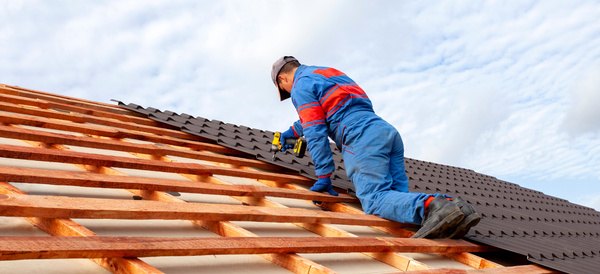 While summer roofing has benefits, it’s important to take precautions during this time as well.
While there are compelling reasons to schedule roofing work during the summer, it’s essential to weigh the potential drawbacks and plan accordingly to mitigate any challenges.
1. Extreme Heat and Worker Safety
One of the primary concerns with summer roofing projects is the potential for extreme heat conditions, which can pose risks to worker safety and productivity. Prolonged exposure to high temperatures and direct sunlight can be hazardous for roofers, increasing the risk of heat-related illnesses like dehydration, heat exhaustion, and heat stroke. It can also lead to fatigue and decreased efficiency.
To mitigate these risks, reputable contractors will implement safety protocols such as providing ample hydration breaks, rotating crews to limit individual exposure, and adjusting work schedules to avoid the hottest parts of the day. However, these necessary precautions can impact project timelines and costs, so it’s essential to factor them into your planning.
2. Material Limitations
While some roofing materials perform better in warmer temperatures, others may have limitations or require additional precautions when installed during the summer months. For example, certain adhesives or sealants may cure too quickly in extreme heat, making them more difficult to work with and potentially compromising their long-term performance if not applied correctly.
Additionally, some roofing materials may become more malleable or even soften excessively in high heat, requiring extra care during installation to prevent damage or improper sealing. It’s crucial to consult with your roofing contractor and follow manufacturer recommendations for proper material handling and installation in hot weather conditions.
3. Increased Energy Costs
During the summer months, when temperatures are at their highest, your home’s cooling system may need to work harder to maintain a comfortable indoor environment. With roofers working on your property and potentially removing portions of your existing roof, your home’s interior may be exposed to more heat gain, leading to higher energy costs for air conditioning usage.
To minimize this impact, consider scheduling roofing work during the cooler morning or evening hours when possible. Additionally, ensure that your contractor takes appropriate measures to contain the indoor temperature as much as possible, such as using temporary roofing tarps or enclosures to limit heat transfer.
Planning and Executing Successful Summer Roofing Projects
If you decide to proceed with a summer roofing project, proper planning and execution are crucial to ensuring a successful outcome while mitigating potential challenges. Here are some valuable tips to consider:
1. Schedule Early
As mentioned earlier, summer is the peak season for roofing contractors, which means their schedules can fill up quickly with homeowners looking to take advantage of the favorable weather conditions. To secure your preferred contractor and desired timeline, it’s essential to plan and schedule your project well in advance – ideally several months before the summer season arrives.
2. Communicate Expectations Clearly
Before the work begins, have a detailed discussion with your roofing contractor about your expectations, timeline, and any specific concerns or requirements you may have. Clear communication from the outset can help prevent misunderstandings and ensure a smooth project execution that meets your needs and expectations.
3. Prepare Your Home Properly
Roofing work can be disruptive to your daily routine and may require you to take additional precautions to protect your home’s interior from dust, debris, and potential damage. Consider clearing pathways, covering or moving valuables and furniture away from work areas, and making arrangements for alternative living spaces if necessary during significant portions of the project.
4. Explore Energy-Efficient Roofing Options
While your roof is being replaced or repaired, it’s an excellent opportunity to explore energy-efficient roofing materials and techniques that can help reduce your home’s overall energy consumption and costs in the long run. Cool roofing systems, reflective coatings, and proper ventilation can all contribute to improved energy efficiency and lower utility bills, especially during the hot summer months.
5. Consider Temporary Accommodations
In some cases, especially for major roofing replacements or repairs, it may be more comfortable and convenient to arrange for temporary accommodations during portions of the project. This can minimize disruptions to your daily routine and provide a reprieve from noise, dust, and other potential distractions associated with roofing work.
6. Work With a Reputable, Experienced Contractor
Perhaps most importantly, work with a reputable, experienced roofing contractor with a proven track record of successful summer roofing projects. Look for contractors who prioritize worker safety, use high-quality materials, and have robust project management processes in place to ensure efficient and timely completion of the work.
Conclusion
Summer can indeed be an ideal time for roofing repairs or upgrades, offering favorable weather conditions, increased contractor availability, and optimal material performance. However, it’s crucial to weigh the potential challenges, such as extreme heat, material limitations, and increased energy costs, and plan accordingly. You can ensure a successful summer roofing project by considering factors like early scheduling, clear communication, proper home preparation, energy-efficient options, necessary permits, and the potential need for temporary accommodations.
Most importantly, work with an experienced and reputable roofing contractor who can guide you through the process and implement best practices for summer installations. The roofing professionals at Lednor Home Solutions have the right skills, tools, and experience for your summer roofing projects. Schedule a free estimate.


