Winter Roofing Concerns: Addressing Snow, Ice, and Freezing Temperatures
Published 11/29/23
The winter months present unique challenges for homeowners when it comes to maintaining the health and safety of their roofs. From heavy snow accumulation to ice dams to daily freeze-thaw cycles, cold weather can seriously damage roofing materials if you don’t take proper precautions. But what are those precautions? Get ready to break down the top winter roofing concerns in detail and provide practical tips to prepare your roof before frigid temperatures hit.
Managing Heavy Snow Loads Without Roof Collapse
 How much snow is too heavy for your roof?
After a huge winter storm blankets your area with fresh powder, it’s exciting to look out and see pristine white snow piling up on the rooftops in your neighborhood. However, allowing too much snow accumulation on your roof can spell disaster. As more and more snow piles up and compacts down under its own weight, it exerts a tremendous downward force on the framework supporting your roof. Enough accumulated snow can cause sagging or bowing of trusses, damaged shingles/tiles, or even full structural collapse in extreme cases.
How do you know how much snow your roof can handle? While variables like pitch, framing, and materials impact overall load capacity, most properly constructed roofs can typically support around 20-30 pounds per square foot before risking any real issues. Flat roofs may fail with less than 20 psf, while steep A-frame style houses may withstand heavier loads nearing 50 psf or above. To monitor snow load safety after major winter storms, check for visible sagging or bowing along the roofline and clear any excessive accumulation quickly before it turns hazardous.
When removing heavy snow, use a snow rake while standing safely on the ground to pull piles off sections at a time. Or you can hire a professional crew to clear off everything for you, which is highly recommended for multi-story homes. For next year, prevent issues by installing permanent snow guards or fencing to slow down snow/ice avalanches from steep sections. planning ahead is key to managing heavy snow loads without roof catastrophe!
Blocking Ice Dams That Lead to Costly Leaks
Long, dagger-like icicles fringing your roof eaves and gutter lines may seem harmless, but they actually indicate a severe issue in the making – ice dams. Ice dams occur when melted snow refreezes at the eaves, blocking proper drainage and causing a backup. This forces additional meltwater to pool above the ice and leak underneath your shingles or tiles. Left unaddressed, the water penetration leads to ugly interior ceiling stains, peeling paint, mold growth, rotting framing, and worse over time.
What causes hazardous ice dams to form? The main factors are poor insulation and inadequate attic ventilation. Warm household air escapes into the attic, heats the underside of your roof, and melts the snow resting on top. But if a colder roof edge prevents complete drainage, that meltwater will simply pool and refreeze into troublesome ice dams. The key is maintaining proper attic insulation R-values and air sealing, combined with sufficient intake soffit and outflow ridge ventilation across the space. This facilitates uniform winter roof temperatures and minimizes snowmelt differentials.
Aside from correcting attic heat flow deficiencies, also ensure roof rain gutters and downspouts stay clear of debris all winter. This allows melted snow to reach the vulnerable eaves areas an unobstructed drainage pathway off the roof. As a last line of defense, apply commercial ice dam membranes or liquid coatings along the lower roof edges. This added protection blocks meltwater penetration as backup insurance if dams develop anyway. Address ice dams promptly to avoid needing major ceiling or wall restoration work down the road!
Safeguarding Roofs From Repeated Freeze-Thaw Cycles
Perhaps even more damaging than snow and ice alone is the constant expansion and contraction roofing materials face from fluctuating above/below freezing weather. When moisture penetrates surface cracks and crevices during warmer daylight hours and then refreezes at night as temperatures drop, roof components slowly weaken from the inside out after countless repetitions. Areas most vulnerable to freeze-thaw degradation include:
- Flashing around chimneys, vents, valleys
- Parapet walls and edges
- Shingles/tiles themselves
Over time, freeze-thaw cycles force accumulated ice to expand inside micro gaps which then causes damage to waterproof seals. Once protective finishes begin decomposing, accelerated moisture intrusion and additional ice expansion widen cracks severely. This lets in even more water to perpetuate the destructive cycle.
Luckily, you can take proactive precautions to shield your roof from freeze-thaw damage. First, inspect all potential trouble spots prior to cold weather and re-seal compromised flashing, vents, etc. using waterproof caulking/cement. Clean out any debris blocking drainage pathways through gutter systems so melted snow flows off the roof quickly. For older asphalt shingle roofs, apply a protective elastomeric coating to extend waterproofing durability.
Improper attic ventilation, insufficient insulation, and breezy conditions intensify freeze-thaw roof risks. Ensure adequate soffit overhang ventilation, ridge vents, and R-30+ insulation coverage across ceilings and walls bordering attic spaces to moderate indoor moisture flow. Lastly, windproof standing seam metal or architectural shingles hold up best against winter elements over time.
Guard Your Roof This Winter
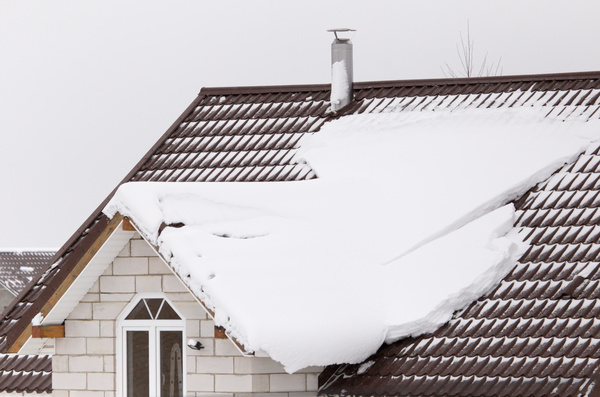 Take smart precautions now so your home stays safe and warm this winter.
While preparing your roof to withstand every possible winter weather challenge sounds exhausting, remember an ounce of prevention equals a pound of cure down the road. Set aside a weekend before cold temperatures hit to plug any attic bypasses, beef up insulation, clear debris from drainage routes, and seal aging flashings prone to ice expansion breakage. Diligent fall inspection and maintenance pay dividends over time by maximizing your roof’s freeze-thaw and snow/ice resilience for years to come. Implement these best practices and you can sit back and enjoy watching fresh powder gracefully accumulate on your rooftop all winter long while keeping underlying materials safe from deterioration.
Roofing professionals can help you stay ahead of winter hazards and spare yourself potentially expensive roof repairs or even full replacements later on. The experts at Lednor Home Solutions are ready to help you ensure your roof is ready to brave the winter. Schedule a free estimate.