
Roofing Myths Debunked: Winter Edition
Published 11/21/24
As the winter season approaches, homeowners often find themselves bombarded with advice about maintaining their roofs. Much of this advice stems from outdated practices, common misconceptions, or outright myths. Acting on these can result in costly damage or ineffective maintenance.
Understanding the truth about winter roof care is essential for protecting your home during the colder months. Here, we’ll debunk common roofing myths and offer reliable winter roofing tips and practical advice for seasonal roof care.

Myth 1: You Don’t Need to Worry About Your Roof Until Later in Winter
One of the most widespread common roofing misconceptions is that homeowners can postpone roof maintenance until later in the winter. Some assume that as long as no immediate issues are visible, they can delay action until the snow begins to melt.
Debunking the Myth
The truth is that early winter is a critical time for winter roof maintenance or replacement. Issues like minor leaks, damaged shingles, poor ventilation or compromised flashing can worsen as snow and icy weather conditions arrive. When water seeps into small cracks and freezes, it expands, potentially turning minor flaws into major structural damage. Early inspections and repairs help prevent these problems before they spiral out of control.
Why Early Winter Roof Maintenance Matters
Proactive maintenance helps you avoid expensive repairs and helps ensure proper insulation and energy efficiency during the colder months. A well-maintained roof reduces heat loss, keeping your home warmer and your energy bills lower. Addressing problems early minimizes the risk of winter storms causing significant, irreparable damage.
Myth 2: Fallen Leaves on the Roof Are Harmless
 Avoid serious problems. Don’t allow leaves to pile up on your roof.
Many homeowners underestimate the impact of leaves and debris on their roofs, believing they’re just a minor inconvenience. If left unaddressed, this misconception can lead to serious issues.
Debunking the Myth
Leaves that pile up on your roof are far from harmless. They trap moisture, creating an environment conducive to mold, mildew, and rot. Additionally, wet leaves can freeze, adding extra weight and strain to your roof. They may also contribute to clogged gutters, leading to water flow blockages that can damage your roof, siding, and foundation.
Seasonal Roof Care Tips for Managing Debris
- Regular Cleaning: Use a roof rake or hire professionals to clear leaves and debris safely. Avoid walking on the roof yourself, especially in icy conditions.
- Gutter Maintenance: Clean your gutters and downspouts to ensure proper water flow and prevent ice dams.
- Preventive Measures: Install a quality gutter guard like Gutter Helmet (link) or Screen Mesh Pro (link) to reduce leaf buildup and minimize future maintenance.
Myth 3: Roof Inspections Can Wait Until Spring
Another prevalent roofing myth is that there’s no need for a roof inspection during the winter. Some believe inspections are more effective in spring when snow and ice have melted, making the roof easier to assess.
Debunking the Myth
Waiting until spring can allow minor issues to worsen, potentially causing extensive damage over the winter. For example, small cracks or worn seals may allow water infiltration, leading to leaks or structural damage that only becomes evident months later.
Benefits of Early Winter Inspections
- Timely Repairs: Early inspections can identify and address issues before heavy snowfall makes repairs more challenging.
- Peace of Mind: Knowing your roof is in good condition can ease your worries as winter storms approach.
- Long-Term Savings: Preventing damage early is far more cost-effective than repairing damage later.
Myth 4: All Roofing Materials Are the Same in Winter
Homeowners often assume that all roofing materials perform equally well in all seasons. While this might be true in moderate climates, winter weather introduces unique challenges that can test the limits of some materials.
Debunking the Myth
Not all roofing materials are created equal for enduring snow, ice, and freezing temperatures. For example:
- Asphalt shingles are durable and cost-effective but may become brittle in freezing conditions.
- Metal roofing is excellent for shedding snow, but proper installation is vital to prevent ice dams.
- Slate and tile are beautiful and long-lasting but may require extra reinforcement to handle heavy snow loads.
Choosing the Right Materials
When selecting roofing materials, consult a professional to determine the best option for your climate and home design. Materials that resist water absorption and effectively handle temperature fluctuations are ideal for winter-prone regions.
Myth 5: DIY Roof Repairs Are Always Cheaper
In an effort to save money, many homeowners believe they can tackle roof repairs themselves. While DIY solutions may work for minor issues, they can lead to significant problems, especially during the winter months.
Debunking the Myth
Winter conditions make DIY roof repairs particularly risky. Snow and ice create slippery surfaces, increasing the likelihood of accidents. Additionally, improper repairs can exacerbate problems, leading to more extensive and expensive fixes down the line.
Why Professional Help Matters
- Safety: Roofing professionals have the tools and expertise to work safely in winter conditions.
- Quality Repairs: Experienced contractors can identify and address issues you might overlook.
- Warranty Protection: Many professional repairs come with warranties, offering peace of mind and long-term protection.
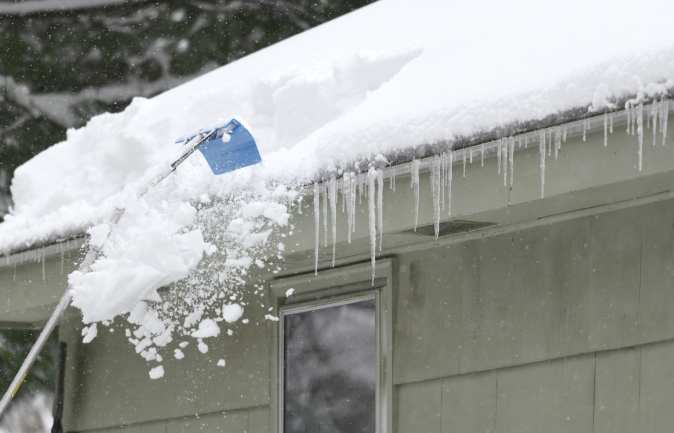 Preparing ahead of time makes caring for your roof during the winter more manageable.
Early Winter Roof Maintenance Checklist
Here’s a practical checklist to guide your seasonal roof care:
- Clean Gutters and Downspouts: To prevent ice dams and water damage, ensure the water flows freely.
- Trim Overhanging Branches: Remove branches that could break under the weight of snow or ice and damage your roof.
- Inspect for Wear and Tear: Look for cracked, missing, or curled shingles and damaged flashing around vents and chimneys.
- Check Attic Insulation and Ventilation: Proper ventilation prevents ice dams, while insulation keeps your home warm and energy-efficient.
- Monitor for Ice Dams: Use roof-safe de-icing products to prevent ice buildup along the edges of your roof.
- Get a Professional Inspection: Schedule a professional roof inspection to catch issues early and ensure your roof is winter-ready.
Investing in preventive measures, such as installing a roof heating system or reinforcing weak areas, can provide added protection against harsh winter conditions.
Protect Your Roof to Protect Your Home
By addressing common roofing misconceptions, homeowners can avoid unnecessary damage, extend their roof’s lifespan, and maintain a safe and energy-efficient home.
From clearing leaves to scheduling timely inspections, following these winter roofing tips can save you time, money, and stress. If you’re unsure about your roof’s condition or need professional assistance, don’t wait until it’s too late.
Take action today by scheduling a roof inspection with Lednor Home Solutions. Our expert team is here to help you prepare your roof for winter, offering peace of mind and reliable service. Schedule a free estimate today.


