
Choosing the Right Roofing Materials for Summer Heat
Published 05/23/24
In regions that experience scorching summer heat, selecting the ideal roofing material is a critical decision that can significantly impact indoor comfort levels and energy costs. As the sun’s relentless rays beat down, the roof bears the brunt of this intense thermal load, absorbing and retaining a substantial amount of heat. This accumulated heat can then transfer into the home’s interior, causing indoor temperatures to soar and forcing air conditioning systems to work overtime to compensate. By making an informed choice regarding your roofing materials, you can substantially reduce the strain on your cooling system, create a more pleasant living environment, and enjoy long-term energy savings during the sweltering summer months.
Understanding Material Properties
 Is your roof ready for intense summer heat?
When evaluating roofing materials for their suitability in hot climates, several key properties come into play that can significantly impact their performance:
1. Reflectivity: This characteristic refers to a material’s ability to reflect solar radiation away from its surface, rather than absorbing it as heat. Highly reflective materials, often lighter in color or featuring specialized coatings, can dramatically reduce the heat gained through the roof, minimizing the need for excessive cooling. The reflectivity of a material is typically measured on a scale from 0 (non-reflective) to 1 (highly reflective), with higher values indicating better heat-deflecting capabilities.
2. Emissivity: Closely related to reflectivity, emissivity measures a material’s capacity to release any absorbed heat back into the surrounding environment. Materials with high emissivity can dissipate heat more effectively, preventing it from being transferred into the home’s interior spaces. Emissivity values also range from 0 to 1, with higher values indicating better heat-releasing properties.
3. Insulation: Proper insulation installed underneath the roof deck can further minimize heat transfer, acting as an additional barrier to keep the interior cooler and reducing the workload on your air conditioning system. The insulation’s R-value, which measures its thermal resistance, should be carefully considered based on your local climate conditions and building code requirements.
4. Durability: Hot climates can be particularly harsh on roofing materials, subjecting them to intense UV radiation, temperature fluctuations, and in some cases, extreme weather conditions like high winds or hail. Choosing durable materials that can withstand these challenging environmental factors ensures long-lasting performance and avoids premature deterioration or costly repairs.
5. Weight: Some roofing materials, such as clay tiles or slate, can be quite heavy, adding significant load to the building’s structure. In hot regions prone to seismic activity, lighter-weight options may be preferable to reduce the risk of structural damage during earthquakes caused by the added weight of the roofing system.
Popular Roofing Materials for Hot Climates
With an understanding of the key properties to consider, let’s explore some of the most popular roofing materials well-suited for hot summer climates and their respective advantages:
1. Metal Roofing: Metal roofs, particularly those made of highly reflective materials like aluminum or galvanized steel, are an excellent choice for hot climates. Their smooth, non-porous surfaces allow for efficient reflection of solar radiation, with reflectivity values often exceeding 0.6. Additionally, their high emissivity helps dissipate any absorbed heat back into the atmosphere, further reducing heat transfer into the home. Metal roofs are also known for their exceptional durability, often lasting 40-70 years or more with proper maintenance, making them a wise long-term investment despite their higher initial cost.
2. Tile Roofing: Clay and concrete tiles have been a classic choice for hot regions for centuries, offering excellent thermal mass and insulation properties. While their natural earth tones may not be as highly reflective as metal or cool roof coatings, lighter-colored tiles can still help reflect a portion of solar radiation. Additionally, tile roofs are highly durable, fire-resistant, and can withstand extreme weather conditions like hurricanes or wildfires, making them a popular choice in areas prone to such events.
3. Cool Roof Coatings: For homeowners seeking a cost-effective solution, cool roof coatings can be applied directly to an existing roof surface, significantly enhancing its heat-reflective properties. These coatings, available in various colors including white, tan, and gray, are highly reflective (often above 0.7) and can substantially reduce heat absorption, potentially lowering indoor temperatures by 10-20°F (5.6-11.1°C). While not a permanent solution, cool roof coatings can be reapplied periodically, typically every 5-10 years, to maintain their effectiveness, making them a viable option for those on a tighter budget.
4. Asphalt Shingles: While traditional asphalt shingles are not typically considered the most heat-resistant option, certain products have been specifically designed for hot climates. These “cool roof” shingles often feature reflective coatings or granules that help deflect solar radiation, with reflectivity values ranging from 0.25 to 0.4. They may also incorporate improved ventilation and insulation properties to better manage heat transfer. While they may not offer the same level of performance as metal or tile roofs, these specialized asphalt shingles can provide a more affordable solution for homeowners seeking enhanced energy efficiency during the summer months.
Balancing Cost, Aesthetics, and Performance
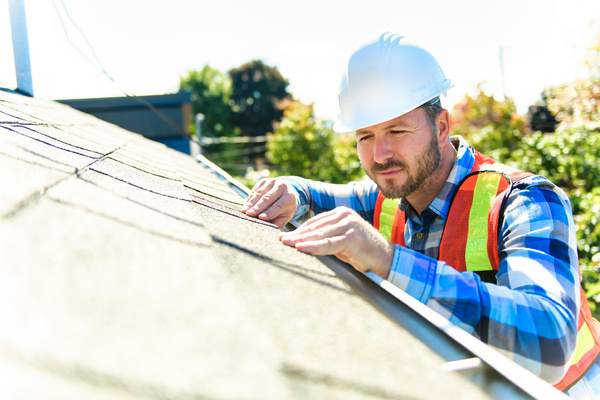 A roofing expert can help you select the right roofing elements for your home this summer.
When selecting a roofing material for your home, it’s crucial to balance cost, aesthetics, and overall performance. While some materials like metal or tile roofing may have higher upfront costs, their superior energy efficiency, durability, and low maintenance requirements can lead to substantial long-term savings on energy bills and future replacement expenses.
For example, a metal roof may cost two to three times more than asphalt shingles initially, but its exceptional longevity and energy-saving properties can offset these higher costs over its lifetime. Similarly, while tile roofs can be expensive, they offer unmatched durability and fire resistance, making them a valuable investment in areas prone to wildfires or extreme weather events.
Additionally, consider the architectural style of your home and the surrounding neighborhood’s aesthetic. Certain roofing materials may complement the design and enhance the curb appeal better than others, potentially boosting property values and creating a more cohesive, visually appealing streetscape. Metal roofs, for instance, can lend a contemporary or industrial look, while tile roofs are often associated with traditional southwestern or Mediterranean-style homes.
To maximize the benefits of your chosen roofing material, it’s also imperative to ensure proper installation and maintenance. Inadequate attic ventilation, insufficient insulation, or improper installation techniques can undermine the material’s ability to keep your home cool and energy efficient. Consulting with a reputable, experienced roofing contractor can help ensure your new roof is installed correctly, meets all relevant building codes, and performs optimally in your local climate conditions.
By carefully evaluating the properties of various roofing materials and considering your specific needs, preferences, budget, and long-term goals, you can make an informed decision that enhances your home’s comfort, energy efficiency, and overall value during the sweltering summer months. With the right roofing solution in place, you can create a comfortable living environment while minimizing your energy costs, reducing your carbon footprint, and potentially increasing your property’s resale value. When you need professional assistance choosing and incorporating roofing materials that can handle the heat on your roof, the professionals at Lednor Home Solutions have the answers and products that you need. Schedule a free estimate.


